India continues to receive strong support and positive outlooks from major global financial institutions and international agencies. At a time when many developed and emerging economies are struggling with slow growth, inflation pressures, and geopolitical uncertainties, India has emerged as one of the fastest-growing major economies in the world. Organizations such as the International Monetary Fund, the World Bank, and leading credit rating agencies have praised India’s economic resilience, policy reforms, and long-term growth potential.
According to recent reports, India’s economy remains supported by strong domestic demand, rising investments, expanding infrastructure, and digital transformation. Global agencies believe that India is well-positioned to maintain stable growth despite international economic challenges.
IMF Praises India’s Economic Strength
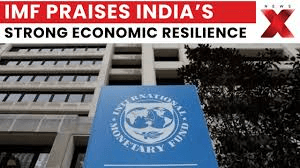
The International Monetary Fund has repeatedly highlighted India as a key driver of global economic growth. The IMF stated that India’s economic fundamentals remain strong due to consistent government reforms, financial stability, and a rapidly growing consumer market. The organization expects India to continue leading global growth among major economies over the coming years.
The IMF also appreciated India’s efforts in maintaining macroeconomic stability while balancing inflation control and economic expansion. Strong tax collections, digital payment growth, and rising manufacturing activities have contributed positively to the country’s performance. India’s banking sector has also shown improvement, with lower bad loans and stronger balance sheets helping support economic activity.
World Bank Sees Long-Term Growth Potential
The World Bank has expressed confidence in India’s long-term economic future. The agency believes that India’s large population, skilled workforce, and expanding middle class create enormous opportunities for sustained growth. Infrastructure investments in roads, railways, airports, renewable energy, and urban development are expected to improve productivity and attract more private investments.
The World Bank also noted that India’s digital revolution has transformed service delivery, banking access, and business operations. Government initiatives promoting digital payments and financial inclusion have strengthened economic participation across rural and urban areas alike. These changes are helping India build a stronger and more inclusive economy.
Rating Agencies Maintain Positive Outlook
Global credit rating agencies such as Moody’s Ratings, Fitch Ratings, and S&P Global Ratings have also maintained optimistic views about India’s economic prospects. These agencies have highlighted India’s strong GDP growth, improving fiscal management, and robust banking sector as key strengths.
Analysts believe that India’s economic reforms, including production-linked incentive schemes, manufacturing expansion, and ease-of-doing-business improvements, are encouraging both domestic and foreign investments. The country’s growing role in global supply chains is also attracting multinational companies looking to diversify operations outside traditional manufacturing hubs.
Positive ratings and outlooks from these agencies help increase investor confidence and support foreign capital inflows into the Indian economy.
Strong Domestic Demand Driving Growth
One of the biggest strengths of the Indian economy is its strong domestic demand. Rising consumption, urbanization, and increasing incomes are helping businesses grow across multiple sectors. Industries such as automobiles, real estate, consumer goods, electronics, and retail continue to witness healthy demand.
India’s young population is also playing a major role in supporting long-term economic expansion. With millions of people entering the workforce every year, consumption and productivity are expected to remain strong for decades. Global agencies believe this demographic advantage gives India a unique position compared to many aging economies around the world.
In addition, government spending on infrastructure and rural development has boosted employment opportunities and economic activity across various regions of the country.
Digital India Transformation Impresses Global Institutions
India’s rapid digital transformation has become one of the country’s biggest success stories. Global agencies have praised initiatives such as digital payments, Aadhaar-based services, online governance systems, and fintech innovation. The rise of the Unified Payments Interface (UPI) has made India one of the world leaders in digital transactions.
The digital economy has improved transparency, reduced transaction costs, and increased financial inclusion. Small businesses and rural populations now have better access to banking and online services than ever before. International institutions believe India’s digital ecosystem can become a model for many developing nations.
Technology-driven growth is also supporting startups, innovation, and entrepreneurship. India’s startup ecosystem continues to attract significant global investment across sectors such as fintech, artificial intelligence, e-commerce, and health technology.
Manufacturing and Infrastructure Expansion Boost Confidence
Global institutions are also optimistic about India’s manufacturing ambitions. Government initiatives aimed at boosting local production and reducing import dependence are helping attract investments in sectors such as electronics, semiconductors, electric vehicles, and renewable energy.
Large-scale infrastructure development projects are improving connectivity and logistics efficiency across the country. Modern highways, freight corridors, ports, airports, and metro systems are strengthening India’s economic competitiveness. Experts believe these improvements will help lower business costs and increase industrial productivity over time.
Foreign investors are increasingly viewing India as a reliable long-term investment destination due to political stability, policy continuity, and economic reforms.
Challenges Remain but Outlook Stays Positive
Despite the positive outlook, global agencies have also warned about certain challenges that India must address. Inflation management, job creation, rural income growth, and global economic uncertainties remain important concerns. External risks such as rising oil prices, geopolitical tensions, and weak global demand could affect economic momentum.
However, most agencies believe that India’s strong domestic economy and reform-focused policies provide enough strength to manage these risks effectively. Continued investment in education, healthcare, infrastructure, and skill development will be important for sustaining long-term growth.
Overall, the positive assessments from global institutions reflect growing international confidence in India’s economic future. As the country continues its development journey, India is increasingly being seen as a major engine of global economic growth in the coming decades.